If you've ever ventured through the sun-drenched, arid expanses of the American Southwest, you might have encountered an extraordinary plant: the chaparral herb. This remarkable shrub, scientifically known as Larrea tridentata, is a testament to resilience, thriving in some of the planet's harshest desert environments. But its story goes far beyond mere survival; the chaparral herb is steeped in a rich history of traditional use and holds a fascinating promise in the realm of natural remedies.
For centuries, various cultures have revered chaparral for its potential health benefits, ranging from its potent anti-inflammatory properties to its purported role in detoxification. It's a plant that has captured the attention of herbalists and health enthusiasts alike, sparking both curiosity and debate. Join us as we explore the enduring spirit and intriguing potential of chaparral herb, uncovering why this desert dweller might just be the herbal ally you've been searching for, provided it's approached with knowledge and respect.
Unveiling the Chaparral Herb: A Botanical Overview
The chaparral herb, commonly referred to as the creosote bush or greasewood, flourishes across the dry landscapes of the American Southwest and extends into the northern regions of Mexico. This hardy plant is a true survivor, embodying the spirit of the desert.
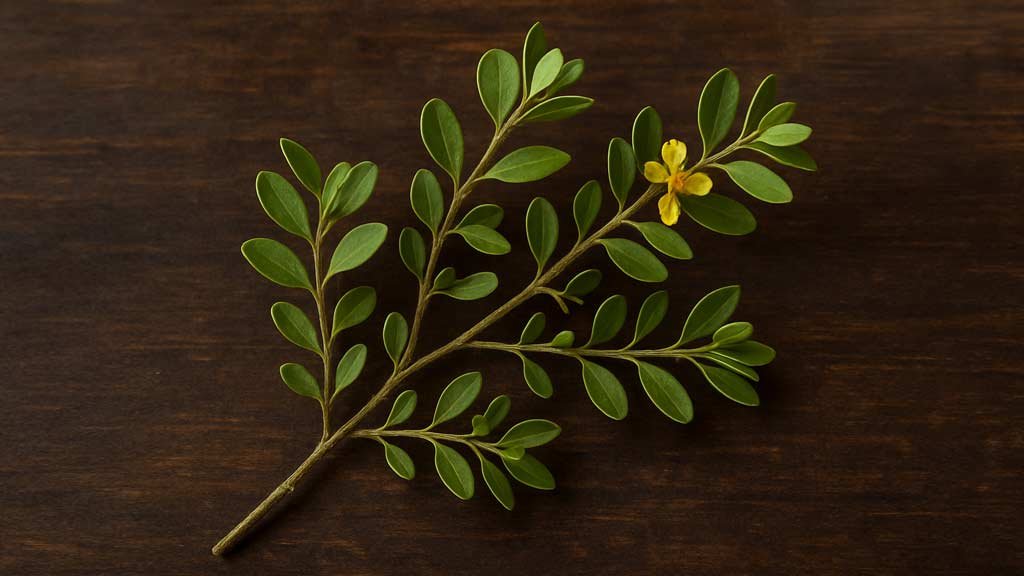
Physically, Larrea tridentata is easily identifiable. It typically grows to a height of up to three feet, showcasing bright green leaves that remain evergreen even amidst the most severe droughts and temperature extremes. These leaves possess a distinctive resinous coating, which not only gives the plant its "greasewood" moniker but also helps it conserve precious water. In the spring and summer months, the chaparral adorns itself with striking yellow flowers, attracting a variety of pollinators and adding a splash of vibrant color to the otherwise monochromatic desert landscape.
Its ability to withstand such challenging conditions makes the chaparral herb a natural symbol of endurance and adaptability. Beyond its ecological significance, this plant's robust nature has historically led indigenous communities to explore its potential for medicinal applications, laying the groundwork for its enduring legacy in traditional healing practices.
A Deep Dive into Chaparral's Historical and Traditional Uses
The story of chaparral herb is deeply intertwined with the history of human interaction with nature, particularly within the traditional medicine systems of North America. For generations, this resilient desert plant has been a cornerstone of healing and cultural practice.
Traditional Medicine: A Legacy of Healing
Native American tribes, with their profound understanding of local flora, were among the first to unlock the healing properties of chaparral. They utilized the herb in various forms to address a wide array of ailments. For external applications, chaparral leaves were often processed into poultices or infusions to treat wounds, soothe skin infections, and alleviate various dermatological issues. Internally, the leaves were brewed into teas, believed to help alleviate symptoms of common colds, respiratory issues, and other internal discomforts. Its purported anti-inflammatory properties made it a go-to remedy for joint pain and general bodily aches.
Modern herbalists continue to draw inspiration from these traditional uses. The chaparral herb is still recommended by some for its anti-inflammatory benefits, and it frequently appears in formulations aimed at supporting detoxification processes and overall wellness rituals. Historically, chaparral has been claimed to help treat over 50 ailments, including serious conditions like cancer and tuberculosis, alongside more common issues such as arthritis, skin conditions, and the common cold. It's available in various forms today, including oral supplements, essential oils, teas, and homeopathic preparations.
Cultural Significance: More Than Just Medicine
Beyond its medicinal applications, chaparral holds significant cultural importance in many communities. It symbolizes resilience, strength, and an unbreakable connection to the harsh yet beautiful desert environment. People often view it not just as a natural remedy but as a vital link to their ancestral roots and a source of wisdom passed down through generations. The plant's vibrant yellow flowers, coupled with its ability to thrive where little else can, serve as a constant source of inspiration, representing life and perseverance against all odds.
The Health Potential of Chaparral Herb: Science & Claims
The intriguing reputation of chaparral herb is largely built upon its proposed health benefits, many of which stem from its rich biochemical composition. While research is ongoing and often limited, traditional use and some preliminary studies highlight several key areas of interest.
Antioxidant Powerhouse
One of the most compelling aspects of chaparral is its abundance of antioxidants. These powerful compounds are crucial for fighting free radicals in the body, which are unstable molecules that can cause oxidative stress and damage to cells, contributing to aging and various chronic diseases. Chaparral contains specific polyphenols and other antioxidant compounds that are believed to contribute significantly to its potential health-promoting effects. By mitigating oxidative stress, these antioxidants may support overall cellular health and bolster the body's natural defenses. Some research also suggests these compounds may possess antimicrobial properties, helping to combat certain types of bacteria.
Anti-Inflammatory Properties
Chronic inflammation is at the root of many modern ailments, and chaparral has long been sought after for its anti-inflammatory capabilities. Traditionally, it was used to alleviate joint discomfort and other inflammatory conditions. Modern herbalists continue to explore its potential to soothe various forms of inflammation, making it a subject of interest for those seeking natural approaches to manage inflammatory responses in the body.
Detoxification Support
The idea of supporting the body's natural detoxification processes is another area where chaparral herb gains attention. Many traditional uses and contemporary wellness practices suggest that chaparral may aid the body in eliminating unwanted substances and toxins. While the exact mechanisms are still being researched, its antioxidant content and other compounds are thought to play a role in supporting the body's cleansing pathways. This makes it a popular component in some detox and wellness rituals, albeit with significant precautions.
Other Noteworthy Claims
Beyond these primary areas, chaparral herb has been associated with a wide range of other health claims, including immune system support and potential benefits against various chronic diseases. However, it is critically important to underscore that much of the evidence for these broader claims is anecdotal or based on preliminary research, and the scientific community continues to study its full spectrum of effects. Always remember that an herb’s potential should be weighed against its known risks.
Navigating Chaparral Herb: Precautions, Side Effects, and Responsible Use
While the potential benefits of chaparral herb are intriguing, it is absolutely paramount to approach its use with extreme caution and a thorough understanding of its risks. This is not an herb to be taken lightly or without professional guidance.
Serious Potential Side Effects
The most significant concern associated with chaparral herb, particularly with excessive or prolonged use, is its potential for liver toxicity. There have been documented cases of liver damage linked to chaparral consumption, leading to its controversial status and outright bans in several countries. This is why strict adherence to recommended dosages (if any can be found from a professional) and careful monitoring are crucial.
The Importance of Professional Consultation
Given the serious nature of potential side effects, it is non-negotiable to consult a qualified healthcare professional before considering chaparral herb for any health purpose. This includes your doctor, a clinical herbalist, or a naturopathic physician who has expertise in herbal medicine. They can help assess your individual health status, potential interactions with other medications, and whether chaparral is a suitable or safe option for you.
Regulatory Status and Global Bans
The controversy surrounding chaparral's safety is reflected in its regulatory status worldwide. Due to concerns over its hepatotoxic (liver-damaging) potential, the chaparral herb is banned in many countries, including Canada. This highlights the serious nature of the risks involved and underscores the importance of informed decision-making. Always be aware of the laws and safety guidelines concerning herbal supplements in your region.
Practical Tips for Responsible Consideration
- Never Self-Medicate: Do not use chaparral herb without prior consultation with a healthcare professional.
- Understand the Risks: Be fully aware of the potential for liver toxicity and other adverse effects.
- Start Small (if advised): If a professional recommends it, always begin with the lowest possible dose and monitor your body's reaction carefully.
- Source Reputably: If you do decide to use chaparral under professional guidance, ensure you purchase products from reputable suppliers who provide third-party testing for purity and potency.
- Monitor Your Health: Pay close attention to any signs of adverse reactions, especially symptoms related to liver function (e.g., jaundice, dark urine, abdominal pain).
For a deeper dive into its benefits and key precautions, explore our detailed article: Chaparral Herb: Benefits, Traditional Uses, and Key Precautions. Understanding the global perspective on this herb is also vital; learn more about its regulatory status in different regions here: Chaparral Herb: Navigating Its Benefits, Risks, and Global Bans.
Conclusion
The chaparral herb stands as a truly unique and resilient botanical marvel of the desert, boasting a rich history of traditional use and intriguing potential health benefits, particularly its antioxidant, anti-inflammatory, and detoxification properties. It embodies the tenacity of life in harsh environments, a quality that has historically inspired and served various cultures. However, its story is also one of caution and controversy. While its promise in natural remedies is undeniable, the very real risks of side effects, notably liver toxicity, necessitate an informed and cautious approach.
As with any powerful herbal remedy, the chaparral herb demands respect, knowledge, and rigorous professional guidance. It is not merely a desert plant but a potent substance that requires careful consideration of its benefits, risks, and individual suitability. By prioritizing safety and consulting healthcare experts, we can appreciate the profound potential of this resilient remedy while navigating its complexities responsibly.