Chaparral Herb: A Resilient Desert Dweller with a Complex Reputation
If you've ever traversed the sun-drenched, arid landscapes of the American Southwest, you might have encountered a tenacious shrub known as the
chaparral herb. This remarkable plant, scientifically identified as
Larrea tridentata, is more than just a survivor of harsh desert conditions; it boasts a rich history of traditional use and a fascinating array of compounds. For centuries, various cultures have turned to chaparral, recognizing its potential for a myriad of health benefits. From soothing inflammation to aiding detoxification, its allure has captivated herbalists and health enthusiasts alike.
However, the story of chaparral herb is not without its complexities. Despite its promising traditional applications and interesting chemical profile, it also carries significant risks and has faced bans in several countries. Navigating the world of chaparral requires a clear understanding of its historical uses, its purported benefits, and critically, the serious health precautions and global regulatory challenges associated with its consumption. Join us as we explore the multifaceted nature of this intriguing desert plant, uncovering its secrets while emphasizing the paramount importance of safety.
Understanding Chaparral Herb: A Desert Survivor
Chaparral herb, often referred to as creosote bush or greasewood, is a symbol of resilience in the plant kingdom. Its ability to thrive in extreme conditions makes it a truly unique specimen.
Botanical Profile and Habitat
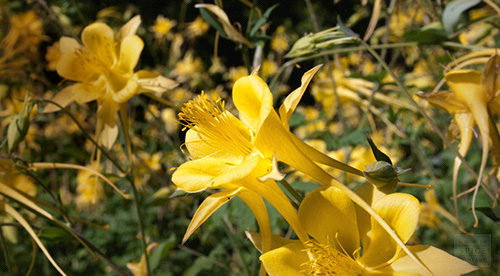
Larrea tridentata grows abundantly across the dry regions of the American Southwest and into northern Mexico. This hardy shrub typically reaches a height of up to 3 feet, adorned with bright green, evergreen leaves that possess a distinctive resinous coating – a key adaptation to its arid environment. Its striking yellow flowers, which bloom typically in the spring and summer, add a splash of color to the desert and attract various pollinators, signifying its vital role within its ecosystem. The tough, waxy leaves not only help conserve water but are also the part of the plant most often used in traditional remedies.
A Legacy of Traditional Use
The history of chaparral herb is deeply rooted in the traditional medicine of Native American tribes. For generations, these communities have valued chaparral for its healing properties, employing it for a wide range of ailments. They would often prepare the leaves as teas to alleviate symptoms of colds and other internal discomforts, or create poultices to apply directly to the skin for treating wounds, infections, and various topical issues. Beyond its medicinal applications, chaparral holds significant cultural importance, symbolizing resilience and a profound connection to the natural world. Modern herbalists, too, have shown continued interest in its anti-inflammatory and detoxifying properties, often incorporating it into wellness rituals. Historically, chaparral has been claimed to help treat over 50 ailments, from chronic conditions like arthritis and tuberculosis to common complaints like skin conditions and the common cold, showcasing its broad traditional appeal.
The Allure of Chaparral Herb: Unpacking Its Potential Benefits
The fascination with chaparral herb largely stems from its impressive chemical composition and the health claims that have been attributed to it over centuries. While these benefits are often cited, it's crucial to understand they are predominantly based on traditional use and limited scientific research, especially regarding human consumption.
Rich in Antioxidants
One of the most compelling aspects of chaparral is its abundance of antioxidants. These powerful compounds play a critical role in the body by fighting free radicals – unstable molecules that can cause oxidative stress and damage cells. By neutralizing free radicals, the antioxidants in chaparral herb are thought to support overall cellular health and may contribute to reducing the risk of various chronic diseases. Research into these antioxidant properties also suggests potential antibacterial activity, adding another layer to its traditional use in combating infections.
Anti-inflammatory Properties
Traditionally, chaparral has been highly regarded for its anti-inflammatory effects. Indigenous communities frequently utilized it to soothe joint discomfort and address other inflammatory conditions. This property has garnered attention from modern herbalists who continue to explore its potential as a natural remedy for inflammation. The compounds within chaparral are believed to interact with the body’s inflammatory pathways, offering a natural approach to managing discomfort.
Detoxification Support (Traditional View)
Another significant traditional belief surrounding chaparral herb is its role in detoxification. Many practitioners of traditional medicine have advocated for chaparral as an aid to help the body eliminate unwanted substances. While the concept of "detoxification" can be broad, in this context, it generally refers to supporting the body's natural cleansing processes, helping to purify the system. It’s important to note that specific, medically proven mechanisms for chaparral's "detox" role are still largely unconfirmed by modern science.
Other Traditional and Folk Uses
Beyond these more commonly cited benefits, chaparral herb has a long history of being used in folk medicine to address a wide array of conditions. These include claims of efficacy against serious ailments such as certain types of cancer, tuberculosis, and various skin conditions. While these claims underscore the plant's esteemed status in traditional practices, it's vital to reiterate that such applications are largely based on anecdotal evidence and historical use, and should not be considered substitutes for conventional medical treatments.
Navigating the Risks: Chaparral Herb's Darker Side
Despite its intriguing traditional uses and potential benefits, chaparral herb is shrouded in controversy due to significant safety concerns. Its powerful compounds, while beneficial in some aspects, can also pose serious health risks, particularly when consumed internally.
Liver Toxicity Concerns
The most critical and well-documented side effect associated with the internal use of chaparral herb is its potential for
liver toxicity. Numerous reports and studies have indicated that excessive or prolonged oral consumption of chaparral can lead to severe liver damage, including hepatitis, liver failure, and even death in some cases. The compounds responsible for its therapeutic effects can also place a substantial burden on the liver, the organ primarily responsible for metabolizing substances in the body. This risk is so significant that it has prompted serious warnings from health authorities globally. Therefore, exercising extreme caution and seeking professional medical advice before considering any form of internal chaparral use is not just recommended, but absolutely essential.
Regulatory Warnings and Global Bans
The severe risk of liver toxicity has led to chaparral herb being a highly controversial botanical. Consequently, it has faced strict regulatory actions and outright bans in many countries. Canada, for instance, has prohibited the sale of chaparral herb and products containing it for internal consumption. The United States Food and Drug Administration (FDA) has also issued warnings regarding its safety. These bans and warnings are a direct response to the documented cases of adverse effects, underscoring the serious public health concerns surrounding this herb. The existence of such widespread bans highlights the gravity of the risks, signifying that even with its traditional heritage, the potential harm outweighs the unproven benefits for many regulatory bodies.
Practical Considerations and Responsible Use
For those interested in natural remedies, understanding the practical implications and safe usage guidelines for any herb is paramount. With chaparral herb, this understanding becomes even more critical due to its known dangers.
Forms of Chaparral Herb
Chaparral herb is available in several forms, though *oral consumption carries the highest risk*. Traditionally, it was often prepared as teas made from dried leaves. Today, it can also be found as oral supplements (capsules, tinctures), essential oils, and homeopathic preparations. While topical applications (e.g., in salves or poultices) have a long history of use for skin conditions and wounds, these still require caution due to potential skin irritation or absorption. Given the severe liver toxicity associated with internal use, oral forms are particularly dangerous and should be approached with extreme apprehension.
When to Avoid Chaparral
Given the significant risks, there are clear circumstances under which chaparral herb should be unequivocally avoided:
- Liver Conditions: Individuals with any pre-existing liver disease or those at risk of liver problems should absolutely not use chaparral internally.
- Pregnancy and Breastfeeding: There is insufficient data on its safety for pregnant or breastfeeding individuals, making it unsafe for use during these periods.
- Medication Interactions: Chaparral can interact with various medications, especially those metabolized by the liver, potentially leading to dangerous side effects or reduced drug efficacy.
- Children: Its use is not recommended for children due to their developing organ systems and increased vulnerability to toxicity.
- Individuals with Allergies: As with any botanical, allergic reactions are possible.
Remember, the term "natural" does not equate to "safe," and some of nature's most potent remedies can also be its most dangerous without proper knowledge and guidance.
The Importance of Professional Guidance
Before considering any form of chaparral herb for health purposes, it is absolutely imperative to consult with a qualified healthcare professional or a licensed herbalist. This is not merely a recommendation but a crucial step to ensure your safety. They can provide personalized advice based on your health status, potential interactions with other medications, and discuss safer, proven alternatives for your health concerns. The lack of extensive modern research and standardized dosing for chaparral further underscores the need for expert oversight. Your health and safety should always be the top priority when exploring herbal remedies. For a deeper dive into its traditional applications and precautions, read our article:
Chaparral Herb: Benefits, Traditional Uses, and Key Precautions. To explore its broader health potential, consider our companion piece:
Chaparral Herb: The Desert's Resilient Remedy & Its Health Potential.
Conclusion
Chaparral herb stands as a compelling example of nature's dual capacity for healing and harm. While its rich history in traditional medicine, its resilience as a desert plant, and its antioxidant properties paint a picture of a beneficial botanical, the severe risks associated with its internal use—particularly liver toxicity—cannot be overstated. The global bans and warnings from health authorities serve as a stark reminder of the critical importance of safety over perceived benefits. For anyone considering chaparral, thorough research, extreme caution, and unwavering consultation with healthcare professionals are not just advisable, but absolutely non-negotiable. Understanding its full spectrum of benefits, risks, and regulatory status is key to navigating the complex world of this unique desert remedy responsibly.