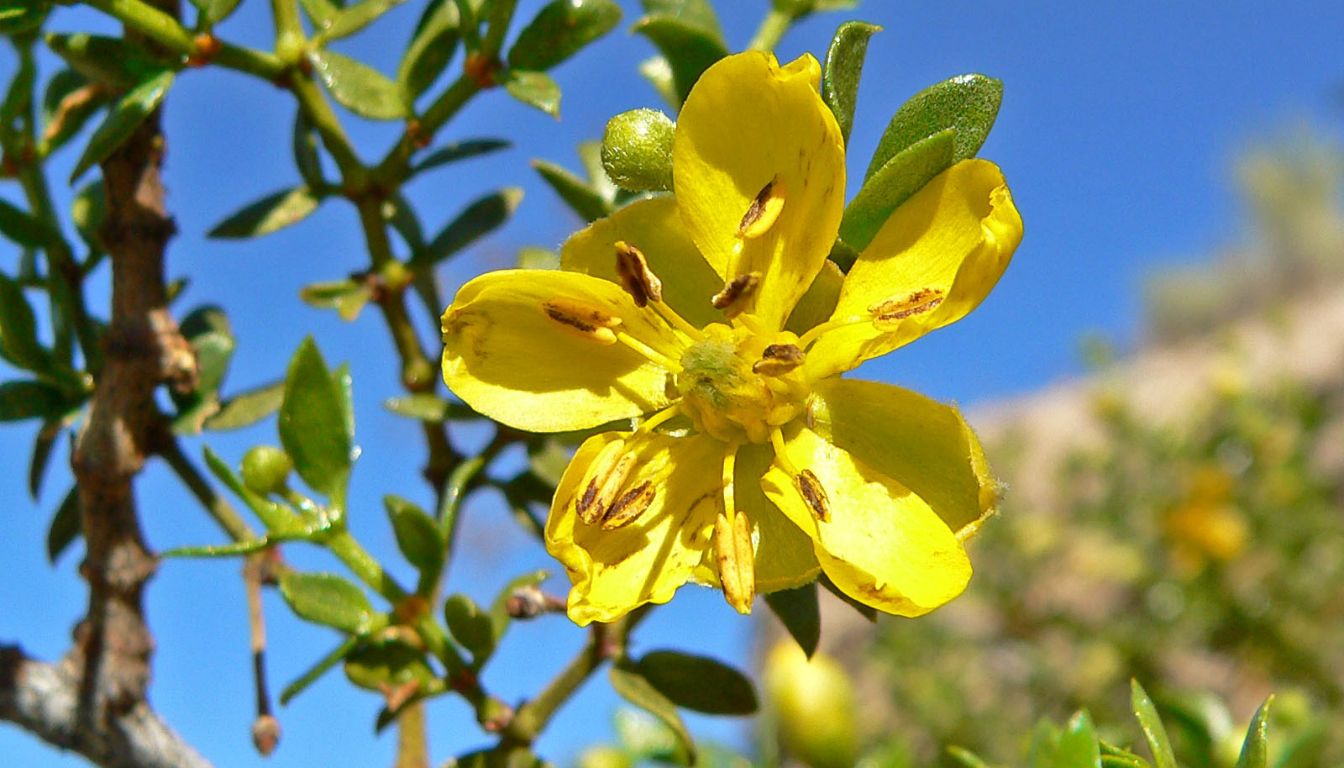
If you've ever ventured into the sun-drenched, arid landscapes of the American Southwest or northern Mexico, you might have encountered a truly remarkable botanical survivor: the Chaparral Herb. This hardy desert shrub, scientifically known as Larrea tridentata and often called the creosote bush or greasewood, does far more than just endure harsh environments. It's a plant steeped in history, rich with traditional uses, and brimming with potential health benefits, yet it also carries a significant need for caution.
From its vibrant yellow blossoms that dot the spring and summer deserts to its evergreen, resinous leaves, chaparral has captivated herbalists and traditional healers for centuries. It's a testament to nature's resilience and a fascinating subject for anyone interested in natural remedies. But what makes this desert dweller such a compelling topic, sparking both enthusiasm and debate in the wellness community? Join us as we explore the multifaceted world of Chaparral Herb, uncovering its historical significance, potential wellness advantages, and crucial safety considerations.
Overview of Chaparral Herb: A Desert Survivor's Profile
The Chaparral Herb, Larrea tridentata, is an iconic plant of the Sonoran and Mojave deserts, thriving in conditions that would challenge most other flora. This resilient shrub typically grows to a height of up to three feet, characterized by its bright green, thick leaves coated in a distinctive resin that helps it conserve water. Its striking yellow flowers, which bloom profusely in spring and summer, not only add a splash of color to the arid environment but also attract various pollinators, signifying its vital role in the ecosystem.
Historically, the Chaparral Herb has been a cornerstone in traditional medicine systems. Its reputation stems from a range of purported health benefits, including its potent anti-inflammatory properties, which have been traditionally sought after for soothing joint discomfort. Furthermore, it has been revered for its potential role in detoxification, believed to assist the body in eliminating unwanted substances and supporting overall cleansing processes.
Beyond its traditional applications, modern interest in chaparral stems from its rich concentration of antioxidants. These powerful compounds are known to combat free radicals in the body, thereby reducing oxidative stress and supporting cellular health. Emerging research also hints at its capacity to combat certain types of bacteria, adding another layer to its potential therapeutic profile. However, it's paramount to approach the Chaparral Herb with a well-informed perspective. Despite its appealing benefits, potential side effects, most notably liver toxicity, necessitate careful consideration and professional medical advice before incorporating it into any health regimen. For a deeper dive into its natural habitat and health potential, you can explore Chaparral Herb: The Desert's Resilient Remedy & Its Health Potential.
A Glimpse into History: Traditional Uses of Chaparral Herb
The narrative of the Chaparral Herb is deeply interwoven with the history of the cultures that have coexisted with it for millennia. Long before modern science began to analyze its chemical composition, indigenous peoples recognized and utilized its potent properties.
Native American Traditions and Herbal Wisdom
For countless generations, Native American tribes in the American Southwest and Mexico have held the Chaparral Herb in high regard, integrating it into their daily lives and spiritual practices. Its uses were incredibly diverse, showcasing a profound understanding of the plant's capabilities:
- Wound and Skin Care: Chaparral was a go-to remedy for topical applications. Its leaves were often crushed and applied as poultices directly to wounds, cuts, and skin infections, leveraging its believed antimicrobial and healing properties.
- Internal Ailments: Teas brewed from chaparral leaves were consumed to alleviate various internal discomforts. These infusions were traditionally used to soothe symptoms of colds, coughs, and other respiratory issues. Some tribes also used it for gastrointestinal complaints.
- Detoxification and Purification: The herb was frequently employed in rituals and remedies aimed at purifying the body, aligning with the modern concept of detoxification.
- Anti-inflammatory Support: Observing its effects on the body, traditional healers often recommended chaparral for conditions involving inflammation, particularly joint discomfort.
The extensive historical use of Chaparral Herb to address a wide array of over 50 ailments, from arthritis and tuberculosis to the common cold and various skin conditions, highlights its broad spectrum of traditional applications. This historical reverence provides context for why it remains a subject of intense interest today.
Cultural Significance and Resilience
Beyond its medicinal applications, chaparral holds a significant cultural place within many communities. Its remarkable ability to thrive in harsh, unforgiving desert environments has made it a powerful symbol of resilience, endurance, and adaptability. People often see the plant as a direct link to their ancestral roots and a natural embodiment of the wisdom passed down through generations. Its vibrant flowers and tough, evergreen nature continue to inspire and connect people to the profound natural world around them.
Unpacking the Potential: Benefits of Chaparral Herb
While traditional knowledge provides a rich foundation, modern research is beginning to shed light on the biochemical mechanisms behind the reported benefits of Chaparral Herb. The plant's potent effects are largely attributed to its unique composition of active compounds, particularly nordihydroguaiaretic acid (NDGA), a powerful antioxidant.
Antioxidant Powerhouse
One of the most significant benefits attributed to the Chaparral Herb is its exceptional antioxidant capacity. Antioxidants are vital compounds that neutralize free radicals in the body. Free radicals are unstable molecules that can cause oxidative stress, leading to cellular damage and contributing to chronic diseases and accelerated aging. By reducing oxidative stress, chaparral's antioxidants may:
- Support Overall Cellular Health: Protecting cells from damage is fundamental to maintaining bodily functions.
- Boost Immune Function: A healthy cellular environment can contribute to a more robust immune response.
- Promote Anti-aging Effects: By mitigating cellular degradation, antioxidants may play a role in slowing down the aging process.
Anti-inflammatory Properties
The historical use of Chaparral Herb for conditions like joint pain and inflammation is strongly supported by its anti-inflammatory compounds. Chronic inflammation is a root cause of many health issues, from arthritis to cardiovascular diseases. The compounds in chaparral may help modulate inflammatory pathways in the body, potentially offering relief from discomfort and supporting a balanced inflammatory response.
Detoxification Support
The belief that Chaparral Herb aids in detoxification is a recurring theme in both traditional and contemporary herbal practices. While the exact mechanisms are still being fully explored, it's thought that certain constituents in chaparral may support the body's natural detoxification pathways, helping organs like the liver and kidneys process and eliminate waste products more efficiently. This can contribute to a sense of revitalization and improved systemic health.
Antimicrobial Potential
Early research suggests that Chaparral Herb possesses properties that may help combat certain types of bacteria and microbes. This could explain its traditional use for treating skin infections and internal ailments. While more extensive studies are needed, its potential as a natural antimicrobial agent adds another fascinating dimension to its therapeutic profile.
Navigating the Nuances: Key Precautions and Contraindications
Despite the intriguing benefits and rich traditional history of the Chaparral Herb, it is crucial to approach its use with extreme caution. This plant is considered controversial in many parts of the world due to significant safety concerns, especially regarding potential liver toxicity.
The Shadow of Liver Toxicity
The most serious concern associated with the Chaparral Herb is its potential to cause liver damage, including hepatitis and liver failure, particularly with excessive or prolonged use. Reports of liver toxicity have led to chaparral being banned or heavily restricted in several countries, including Canada. This risk makes professional medical guidance not just advisable, but absolutely essential before considering any form of chaparral supplementation.
Important Precautions and Who Should Avoid Chaparral
Given the significant risks, several groups of individuals should strictly avoid using Chaparral Herb, and everyone else should proceed with the utmost caution:
- Pregnant and Nursing Women: There is insufficient safety data for these populations, and the potential risks to both mother and child are too high.
- Individuals with Liver Conditions: Anyone with pre-existing liver disease, a history of liver problems, or those taking medications that impact liver function should never use chaparral.
- Those on Medications: Chaparral can interact with various medications, particularly those metabolized by the liver, potentially leading to adverse effects or reduced drug efficacy.
- Children: Due to their developing systems and smaller body mass, children are particularly vulnerable to potential toxicity.
- Individuals with Kidney Issues: While not as prominent as liver concerns, individuals with kidney conditions should also exercise extreme caution.
Even for healthy individuals, dosage and duration of use are critical. Chaparral is commonly sold in various forms, including oral supplements (capsules), essential oils, teas, and homeopathic preparations. The risks can vary depending on the form, concentration, and how it's consumed. It's imperative to consult with a healthcare professional, ideally one experienced in herbal medicine, to understand potential risks and whether its use is appropriate for your specific health profile. They can help monitor liver function and advise on safe practices, if any. For more detailed information on its risks and global bans, please read Chaparral Herb: Navigating Its Benefits, Risks, and Global Bans.
Conclusion: A Powerful Herb Demanding Respect and Caution
The Chaparral Herb, a symbol of resilience in the harsh desert, presents a fascinating paradox: a plant with a rich legacy of traditional healing and promising health benefits, yet burdened by significant safety concerns. Its powerful antioxidant, anti-inflammatory, and potentially antimicrobial properties, long recognized by indigenous cultures, continue to intrigue modern researchers and wellness enthusiasts. However, the serious risk of liver toxicity underscores the critical need for extreme caution and informed decision-making.
As with any potent natural remedy, the story of chaparral is a testament to the fact that "natural" does not always equate to "safe." While its potential for wellness support is undeniable, its controversial nature demands that any exploration of its benefits be undertaken only under the guidance of a qualified healthcare professional. By respecting its power and understanding its limitations, we can appreciate the unique place of Chaparral Herb in both botanical history and the modern quest for natural well-being.